Cold feet can turn an otherwise comfortable ride into a miserable one. The right cycling socks for winter help retain heat, manage moisture, and fit comfortably inside cycling shoes without creating pressure points.
We’ve selected 10 winter-ready options covering merino wool, thermal synthetics, windproof designs, neoprene toe warmers, compression fits, and versatile multipacks. Use the guide below to narrow your choice by temperature, shoe fit, riding style, and budget.
Best 10 Cycling Socks for Winter Picks for 2026
Merino Warmth
GripGrab Merino Winter Cycling Socks

- Merino blend insulates even when damp
- Padded sole helps block cold
- Stretch arch support secures the fit
Best For: Cold-weather rides needing cushioned merino warmth
Durable Merino Performance
Smartwool Run Cold Weather Crew Socks

- 52% merino wool blend
- Reinforced high-impact wear zones
- Stretch fit with breathable mesh
Best For: Active riders wanting a slim, durable cold-weather crew sock
Toe-Focused Insulation
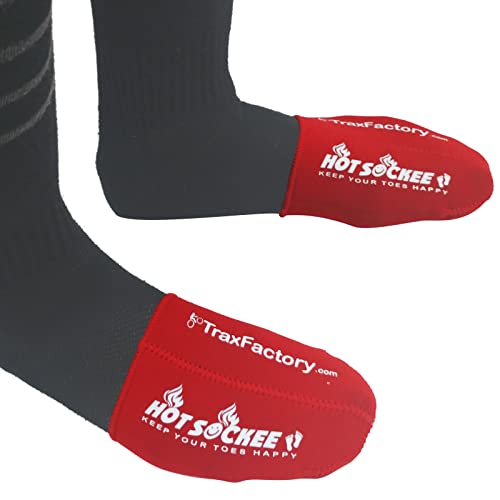
- Thin 1.5mm neoprene barrier
- Reusable and designed for shoe interiors
- Adds warmth without a full extra sock
Best For: Riders needing targeted toe warmth in snug cycling shoes
Dedicated Bike Fit
Smartwool Bike Targeted Cushion Socks

- Heavyweight 54% merino wool blend
- Targeted cushioning for winter comfort
- Crew height fits under cycling tights
Best For: Cold-weather cyclists wanting a dedicated heavyweight bike sock
Best Value Thermal Pick
GripGrab Thermo SL Winter Cycling Socks

- THERMOLITE-style fibers help retain warmth and wick moisture.
- Padded sole and 19 cm high cut add cold-weather comfort.
- Available as a single or three-pack option.
Best For: Cold-weather riders wanting warmth, cushioning, and value
Best Lightweight Multipack
ROCKBROS Tall Compression Cycling Socks

- Breathable nylon-spandex fabric is designed to wick moisture.
- Ribbed cuff provides a secure, slip-resistant fit.
- Three-pair black set suits regular road and mountain biking.
Best For: Mild-weather riding and cyclists who prefer lightweight socks
Best Wind Protection
GripGrab Windproof Thermal Cycling Socks

- Windproof material helps protect against cold air and wind chill.
- Extra-long cut reaches roughly halfway up the calves.
- Fleece lining and flat-lock seams support comfort.
Best For: Windy spring, fall, and milder winter cycling
Warmth-Focused Merino Pick

- 80% merino wool blend for cold-weather warmth
- Cushioned footbed supports longer outings
- Stretch design and cold-machine-wash care
Best For: Cold-weather cyclists who also enjoy hiking
Four-Season Cycling Bundle

- Includes winter, spring/fall, and summer pairs
- Stretch arch support helps prevent slipping
- Made for road, MTB, and gravel riding
Best For: Cyclists needing one set for varied conditions
Dry-Ride Performance Pick

- Moisture-wicking polypropylene helps keep feet dry
- Terry padding cushions the sole and forefoot
- Snug fit and one-year anti-hole guarantee
Best For: Lightweight riders seeking dry, padded comfort
Merino Warmth – GripGrab Merino Winter Cycling Socks
For riders looking for cycling socks for winter, the GripGrab Merino Winter Cycling Socks combine merino insulation with a padded sole and supportive stretch zones. The crew-length design is intended to provide warmth and a secure fit on cold rides.
Best For: Cold-weather cyclists who want merino content, cushioned insulation, and a close, stay-put fit.
Pros:
- Merino wool helps insulate when wet and supports thermal regulation.
- Padded sole adds insulation against cold and wind.
- Stretch arch support helps keep the sock securely in place.
- Breathable, cushioned construction with a 6.5-inch crew height.
Cons:
- Not water resistant, so they do not replace waterproof overshoes.
- The heavyweight construction may feel warm or bulky in mild conditions.
- Sold as one pair.
The GripGrab is a strong winter-specific choice when warmth and cushioning take priority. For deep winter conditions, the manufacturer recommends combining it with overshoes.
Durable Merino Performance – Smartwool Run Cold Weather Crew Socks
Although designed for running, these Smartwool crew socks are worth considering for cycling socks for winter when you want a slim performance fit. The merino blend, targeted durability zones, and breathable stretch construction suit active cold-weather use.
Best For: Cyclists who prefer a performance-oriented crew sock with merino wool, stretch, and reinforced high-impact areas.
Pros:
- 52% merino wool provides a warm, wool-based construction.
- Indestructawool technology targets high-impact wear zones.
- 4 Degree Elite Fit System combines strategic stretch with mesh zones.
- Virtually seamless toe is designed to improve comfort and help reduce irritation.
Cons:
- It is labeled for running rather than cycling.
- Medium-weight construction may offer less insulation than heavyweight bike socks.
- Sold as one count.
This is a versatile option for riders who want a relatively streamlined sock with durability and breathability. It may be less specialized for cycling than the dedicated bike models in this roundup.
Toe-Focused Insulation – Neoprene Toe Warmers
These reusable neoprene toe warmers take a different approach to cycling socks for winter by adding insulation only around the toes. Their 1.5mm construction is designed to fit inside shoes or boots without the bulk of a full extra sock.
Best For: Cyclists with cold toes or limited shoe room who need an additional wind and chill barrier.
Pros:
- 1.5mm neoprene adds warmth while covering less of the foot than a second sock.
- Reusable design can be worn repeatedly.
- No side seams are intended to improve comfort and durability.
- Available in three sizes, with a fit chart provided by the manufacturer.
Cons:
- These are toe warmers, not complete cycling socks.
- They do not provide full-foot cushioning or merino insulation.
- Correct sizing is important for warmth and comfort.
Choose these when cold toes are the main problem or when thicker socks make cycling shoes too tight. They can also be paired with a regular sock and, according to the supplied notes, used with chemical toe warmers for additional heat.
Dedicated Bike Fit – Smartwool Bike Targeted Cushion Socks
Designed specifically for biking, these Smartwool crew socks are a practical candidate for cycling socks for winter. They combine a heavyweight merino blend with targeted cushioning, body-mapped mesh zones, and a crew height intended to add warmth under tights.
Best For: Cyclists seeking a dedicated cold-weather bike sock with heavyweight merino cushioning and a taller crew profile.
Pros:
- 54% merino wool blend provides substantial cold-weather insulation.
- Targeted cushioning adds comfort in key areas.
- Body-mapped mesh zones support breathability.
- Virtually seamless toe and crew height are suited to longer winter rides.
Cons:
- Listed as not water resistant.
- The heavyweight, no-stretch construction may feel less flexible for some users.
- Sold as one count.
With its bike-specific design and heavyweight fabric, this is one of the more directly targeted choices for cold rides. Pair it with suitable footwear or overshoes when moisture protection is also needed.
Best Value Thermal Pick – GripGrab Thermo SL Winter Cycling Socks
If you want cycling socks for winter that balance warmth, cushioning, and everyday value, the GripGrab Thermo SL is a practical option. Its THERMOLITE-style hollow-fiber construction is designed to retain warmth while wicking moisture, while the padded sole and 19 cm high cut add cold-weather comfort.
Best For: Riders seeking insulated, padded socks for cold-weather cycling, with single- or three-pack buying options.
Pros:
- Thermal hollow-fiber fabric helps insulate while wicking moisture.
- Padded sole adds comfort and protection from cold, damp air.
- Stretch arch support and a high elastic cuff help keep the socks secure.
- High-cut design is intended to fit most summer cycling shoes.
Cons:
- Not water resistant.
- Machine washing is limited to 30°C, with no tumble drying or ironing.
- The slim, lightweight construction may offer less insulation than a heavier winter sock.
The Thermo SL is a strong all-rounder for riders who want reliable warmth without giving up a close fit. Choose the multipack if you regularly ride through cold conditions or want a practical stocking-up option.
Best Lightweight Multipack – ROCKBROS Tall Compression Cycling Socks
The ROCKBROS cycling socks are a lightweight choice for riders who prefer a tall, close-fitting design. Breathable, moisture-wicking fabric, a ribbed cuff, and cushioning make them suitable for regular road or mountain biking, while the three-pair black set adds everyday convenience.
Best For: Men and women wanting lightweight, versatile cycling socks for training, commuting, road riding, or mountain biking.
Pros:
- Breathable fabric is designed to wick moisture and help keep feet dry.
- High-elasticity ribbed cuff helps prevent slipping.
- Lightweight construction and soft materials support comfort during longer rides.
- Cushioning is designed to absorb shock and support the foot.
Cons:
- Not water resistant.
- Hand wash only according to the care instructions.
- The lightweight fabric may be less suited to very cold winter conditions than a thermal or fleece-lined model.
These are best viewed as versatile riding socks rather than deeply insulated winter socks. They make sense for mild conditions, indoor training, or riders who value a lighter feel and easy multipack rotation.
Best Wind Protection – GripGrab Windproof Thermal Cycling Socks
For cycling socks for winter’s windy shoulder seasons, the GripGrab Windproof Thermal model focuses on coverage and protection. Its extra-long cut reaches roughly halfway up the calves, while fleece lining, windproof material, and breathable construction help manage chilly spring and fall rides.
Best For: Cyclists riding in cold wind during spring, fall, and milder winter conditions, including rides without overshoes.
Pros:
- Windproof material helps reduce the effect of cold air and wind chill.
- Extra-long design provides coverage roughly halfway up the calves.
- Fleece lining adds warmth for damp, cold transition-season rides.
- Flat-lock seams and a pre-shaped design help reduce chafing and pressure points.
Cons:
- Not water resistant.
- Medium-weight construction may feel bulky in tighter shoes.
- Designed primarily for spring and fall rather than severe winter conditions.
The Windproof Thermal socks are a sensible choice when wind protection matters more than minimum bulk. Their taller, fleece-lined design should appeal to riders facing exposed roads and cool transition-season weather.
Warmth-Focused Merino Pick – Merino Wool Crew Socks
Alvada Merino Wool Hiking Socks Thermal Warm Crew Winter Boot Sock For Men Women 3 Pairs ML
Check Price On AmazonFor cyclists who prioritize warmth during cold-weather outings, these merino wool crew socks are a practical option to consider among cycling socks for winter. The wool blend, cushioning, and crew height are suited to chilly outdoor activity, although their design is positioned more broadly for hiking and outdoor use than cycling-specific performance.
Best For: Cold-weather cyclists who also hike or need warm, cushioned crew socks for outdoor activities.
Pros:
- 80% merino wool blend provides warmth for colder conditions.
- Shaped footbed cushioning can improve comfort on long outings.
- Stretch fit and nylon blend are designed for an itch-free feel.
- Machine washable on cold for straightforward care.
Cons:
- Designed primarily as hiking socks rather than cycling-specific socks.
- Crew height and medium-weight construction may feel warmer or bulkier than lightweight cycling socks.
Choose this three-pair set if insulation and footbed cushioning matter more than cycling-specific features. It is a strong cold-weather outdoor option, but riders should confirm that its thickness works comfortably with their cycling shoes.
Four-Season Cycling Bundle – All-Season Sock 3-Pack
This GripGrab bundle is a versatile choice for shoppers comparing cycling socks for winter and transitional conditions. It includes one merino-wool winter sock, one spring/fall thermal sock, and one regular summer sock, giving riders options across changing temperatures.
Best For: Cyclists who want one multi-season set for road, mountain bike, and gravel riding.
Pros:
- Includes distinct summer, spring/fall thermal, and merino-wool winter socks.
- Stretch arch support helps create a secure, non-slipping fit.
- Suitable for road cycling, MTB, and gravel riding.
- Gift-box presentation makes the set suitable for cyclists.
Cons:
- Only one of the three pairs is specifically described as a winter sock.
- The product is not water resistant.
- Care instructions exclude tumble drying and ironing.
This is the most flexible pick of the group for riders who need socks across multiple seasons. If your priority is a dedicated winter pair rather than variety, a heavier merino or thermal-specific option may be more suitable.
Dry-Ride Performance Pick – Fast-Dry Cycling Socks
These lightweight cycling socks focus on moisture management and secure comfort rather than heavy insulation. For cycling socks for winter, they may work well for cold-weather training when paired with suitable footwear, but their fast-dry construction is better aligned with riders who value dry feet and low bulk.
Best For: Road, gravel, mountain-bike, commuting, and indoor cyclists who prefer lightweight socks with targeted padding.
Pros:
- Polypropylene construction is designed to wick moisture quickly.
- Terry padding in the sole and forefoot helps soften shoe pressure.
- Snug fit helps reduce movement inside stiff cycling shoes.
- One-year anti-hole guarantee provides replacement support.
Cons:
- Lightweight construction is not presented as heavily insulated for winter.
- Ankle-length styling offers less coverage than crew socks.
- Not water resistant.
Pick these when dry feet, padding, and a close fit are more important than maximum warmth. For genuinely cold rides, they may be best combined with other cold-weather shoe and clothing layers.
How We Picked the Best Cycling Socks for Winter
We focused on features that matter during cold-weather rides: insulation, moisture management, height, stretch, durability, and compatibility with cycling shoes. The selection includes dedicated winter cycling socks as well as versatile merino and performance socks that can work for commuting, training, hiking, or other outdoor activities.
We also considered practical buying differences, including merino versus synthetic construction, extra-long cuffs, wind protection, compression, multipack value, and whether a product is designed to be worn inside shoes as an additional warmth layer.
Quick Comparison
| Type | Best For | Key Advantage |
|---|---|---|
| Merino wool | Long rides and variable conditions | Warmth and odor resistance |
| Thermal cycling socks | Cold-weather training and commuting | Purpose-built insulation |
| Windproof socks | Windy fall and winter rides | Extra coverage and wind protection |
| Neoprene toe warmers | Very cold conditions | Add-on insulation inside footwear |
| Compression socks | Riders who prefer a close fit | Supportive feel and reduced movement |
| Multipacks | Frequent riders | Better rotation and value |
Key Buying Factors for Cycling Socks for Winter
Insulation and Temperature
Choose the thickness according to both air temperature and your cycling shoes. A heavily insulated sock may be warm on its own but too bulky for a snug shoe. For moderate cold, a medium-weight thermal or merino sock is often more versatile. For freezing rides, look for higher cuffs, denser insulation, or a separate toe-warmer layer.
Material and Moisture Control
Merino wool provides warmth even when damp and naturally resists odors, making it useful for long rides and repeated wear. Synthetic blends often dry quickly and can offer strong durability and stretch. A wool-synthetic blend may provide a useful balance of comfort, drying speed, and longevity.
Height, Fit, and Shoe Space
High-cut socks protect more of the lower leg and reduce exposed skin above the shoe. They should fit securely without bunching at the ankle or creating excessive pressure around the calf. Check your shoe volume before choosing thick socks, since restricted circulation can make feet feel colder.
Weather Protection
Windproof or denser-knit designs are helpful in exposed conditions, while neoprene toe warmers can add targeted protection without replacing your usual socks. Socks are not a substitute for waterproof overshoes in heavy rain, so match them with the rest of your winter footwear system.
Who Should Buy Which Cycling Socks for Winter?
Choose merino socks if you want versatile warmth, odor control, and comfort for long rides or mixed outdoor use. Dedicated thermal cycling socks are a better fit for regular winter training and commuting. Pick windproof, extra-long styles for exposed roads and chilly descents, especially when your tights or leg warmers leave little overlap.
Neoprene toe warmers make sense for riders whose toes get cold first or who need an extra layer inside existing shoes. Compression styles suit cyclists who prefer a snug, supportive fit, while multipacks are practical for frequent riders who want clean pairs available throughout the week. Before buying, confirm the size chart and measure the available space inside your cycling shoes.